
Common Condition
Bleeding gums during brushing or spontaneously.
Healthy gums generally do not bleed during normal brushing, flossing or eating. Persistent bleeding is a sign of inflammation worth assessing.
Understanding bleeding gums and their link to periodontal health
Many people notice blood when brushing or flossing and assume it is caused by brushing too hard. Others may ignore occasional bleeding because it is not painful. However, healthy gums generally do not bleed during normal brushing, flossing, or eating.
Bleeding gums are one of the most common signs of inflammation in the gum tissues and should not be considered a normal part of oral hygiene. In many cases, bleeding occurs because the body’s immune system is responding to bacterial plaque accumulating around the teeth and gums. While the bleeding may appear minor, it can sometimes indicate changes occurring beneath the gum line that require professional assessment.
At Melbourne Periocare, we regularly see patients seeking advice or treatment for bleeding gums in Melbourne when the problem persists despite regular brushing or dental visits. Understanding the cause of the bleeding is an important first step in determining whether there is an underlying periodontal condition that may require attention.
Why do gums bleed?
Bleeding gums, whether during brushing or spontaneously, is a common symptom indicating potential periodontal disease. It is often a sign of gingivitis, the earliest stage of gum disease, characterised by inflammation due to plaque buildup along the gumline. Left untreated, gingivitis may increase the risk of periodontal breakdown in susceptible individuals. When the deeper supporting tissues around the teeth become affected, complications such as gum recession, bone loss, and tooth mobility may occur.
The gums are part of a complex support system that includes the periodontal ligament, alveolar bone, and other tissues responsible for supporting the teeth. When bacterial plaque accumulates around the gum margin, an inflammatory response develops. This may cause the gums to appear red, swollen, tender, and more likely to bleed during brushing or flossing.
Because gum disease does not always cause pain in its early stages, bleeding gums are often one of the first warning signs that something may be affecting the health of the surrounding tissues.
Prevention
Preventive measures are crucial in maintaining healthy gums and preventing gum disease. Effective oral hygiene practices include brushing at least twice a day with a soft-bristled toothbrush, flossing daily to remove plaque between teeth, and using an antiseptic mouthwash to reduce bacterial growth. Regular dental check-ups and professional cleanings are essential to detect and address issues early. A balanced diet rich in vitamins and minerals supports overall oral health, while avoiding tobacco products can significantly reduce the risk of gum disease.
Individuals with risk factors such as diabetes, smoking, a family history of periodontal disease, hormonal changes, or certain medications may require closer monitoring, as these factors can influence how the gums respond to bacterial plaque.
Treatments for bleeding gums
When it comes to treatment, non-surgical options such as scaling and debridement can effectively manage early gum disease by removing plaque and tartar from below the gumline and reducing bacterial deposits around the teeth and gums. In more advanced cases, surgical interventions may be necessary.
Flap surgery may allow for deeper cleaning of the roots and bone, while procedures like bone and soft tissue grafts can be carried out to restore damaged tissues. Guided tissue regeneration may be considered in selected cases where there has been loss of supporting bone and soft tissue due to periodontal disease. Regenerative materials and growth factors may also be considered in selected situations where supporting tissues have been affected.
In selected cases, laser-assisted periodontal procedures may be considered as part of an overall treatment approach. Maintaining good oral hygiene post-treatment is vital to prevent recurrence and ensure long-term gum health.
The most appropriate treatment for bleeding gums will depend on the underlying cause of the bleeding, the extent of inflammation, and whether deeper supporting structures have been affected. A periodontal assessment can help determine which management approach may be suitable for your individual circumstances.
Diagnosis
Bleeding gums are often a sign of inflammation, but the underlying cause can vary from person to person. During diagnosis, your periodontist may assess for conditions such as:
- •Gingivitis
- •Periodontitis
- •Plaque-induced gingival inflammation
- •Local contributing factors such as plaque and calculus accumulation
- •Other oral conditions that may contribute to gum inflammation or bleeding
Persistent bleeding gums may warrant a comprehensive periodontal examination. This may involve assessing the condition of the gums, measuring periodontal pocket depths, evaluating bleeding points, and reviewing radiographs where appropriate to assess the supporting bone around the teeth.
What next?
If you notice bleeding when brushing, flossing, or eating, it may be worth having your gums assessed rather than waiting for the problem to resolve on its own. While bleeding does not always indicate advanced disease, it can be an important sign that the gums are inflamed or that the supporting tissues around the teeth require attention.
For patients experiencing bleeding gums in Melbourne, Dr Nupur Kataria can provide a comprehensive periodontal assessment and discuss any findings, concerns, and management options that may be appropriate for your situation. Call 03 9817 1860 to book your first visit.
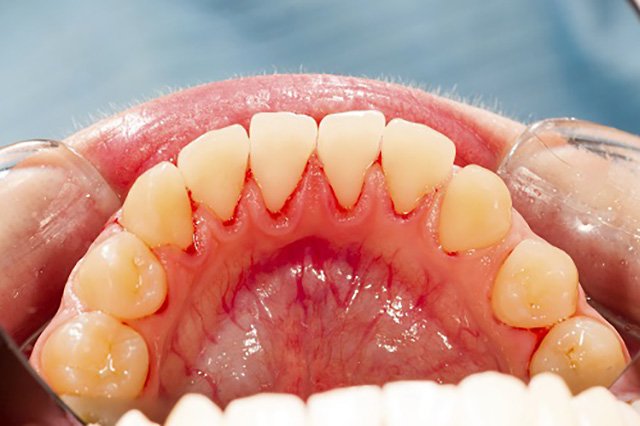
Signs worth assessing
- Bleeding when brushing, flossing or eating
- Red, swollen or tender gums
- Persistent bad breath or foul taste
- Gums pulling away from the teeth
- Loose or shifting teeth
FAQs
Frequently asked questions.
Book an appointment
Book your 45-minute consult and take the first step towards a confident smile.
No referral required. Call (03) 9817 1860 or send us a message and our team will be in touch.